

Lived Experience Perspectives for World Bipolar Day
This is a guest blog post by Liam Gildea for World Bipolar Day.
Liam’s Story
I grew up in the west of Ireland and spent much of my adult life working in the corporate world, including roles in multinational companies. From the outside things often looked stable and successful, but internally there were long periods where something simply didn’t feel right. Like many people who later receive a bipolar diagnosis, it took years before the pattern of mood shifts began to make sense.
For years I thought the highs were interpreted as productivity, energy or ambition. The lows were seen as burnout, stress, or simply part of life. What I did not understand at the time was that these fluctuations were part of Bipolar II disorder.
It can often go undetected for many years because hypomania does not always appear obviously disruptive. In fact, it can sometimes look like high functioning.
My eventual diagnosis came in 2013 after many years of trying to understand why my mood, energy and thinking could change so dramatically over time. Receiving that diagnosis was both scary and relieving. It forced me to re-evaluate many periods of my life through a new lens. Relieving because it finally provided an explanation and, more importantly, a path toward managing the condition.
One insight that became very important for me was the idea that when you become comfortable acknowledging the condition, much of the stigma begins to lose its power. Once I fully accepted that Bipolar II was part of my life, I stopped trying to avoid it and instead focused on understanding and managing it. In many ways I describe that shift as
“running towards the condition rather than away from it.”
That mindset allowed me to make real progress.
My connection with Aware grew from that same motivation. I wanted to contribute to mental health awareness in a constructive way and help reduce the stigma that still surrounds mood disorders. Through Aware I have had the opportunity to speak publicly about my experience, including webinars and awareness initiatives, and to contribute to conversations about bipolar disorder in Ireland.
Alongside advocacy, I have also written a book titled High Life Low Life: Living with Bipolar Disorder, which reflects on 25 years of lived experience with Bipolar II. In recent years I have also become increasingly interested in the neuroscience behind mental health. Understanding the brain: sleep, dopamine, mood regulation and attentio this has been a powerful tool in managing my own wellbeing and communicating these ideas to others.
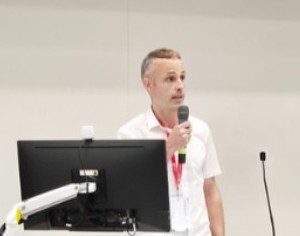
In 2025 I had the privilege of speaking at a neuroscience conference in Belfast as the only lived-experience speaker among researchers and clinicians. It reinforced something important: the combination of lived experience and scientific understanding can be a powerful way to communicate mental health topics.
Today, in 2026, my approach to living with Bipolar II is built around awareness, structure and education. I focus on sleep, stress management, understanding mood patterns and continuing to learn about the brain and behaviour. I also share educational content online about bipolar disorder and neuroscience on Ticktock to help people better understand how the mind works.
While bipolar disorder presents challenges, it has also led me toward meaningful work in advocacy, education and public conversation about mental health. My hope is that by speaking openly about the journey to diagnosis, others may recognise their own experiences sooner and know that support and understanding are available.
Learn more from Liam’s perspective
- Liam’s Book; ‘High Life Low Life: Living with Bipolar Disorder’ a candid account of 25 years living with Bipolar II is available here
- Liam’s website liamgildea.com
- Aware Webinar Recording ‘Bipolar Disorder: Journey to Diagnosis’ with Liam Gildea on his lived experience, Dr Susan Brannick Clinical Director at Aware and Dr Noel Kennedy Consultant Psychiatrist at Highfield Healthcare, March 2025 linked here
- Article ‘Bipolar disorder: ‘If you can come out the right side of the illness nothing in life will faze you’, by Arlene Harris, 8 October 2020 linked here
~
Read more on the Aware World Bipolar Day page here.
~
Empowering people to look after their mental health is an important part of Aware’s supports including our Living Well with Bipolar Programme. A free service delivered by a mental health professional, designed to empower participants by deepening their understanding of bipolar and helping to identify personal triggers for mood changes – this programme provides a strong foundation for thriving with bipolar. Registrations for the next course and more details available here.
For those friends and family supporting a loved one experiencing bipolar or depression, Aware also offers a Family and Friends Support Programme, a psycho-educational programme providing information, understanding and practical support. The free programme aims to equip participants with the tools to better understand and support a loved one, whilst maintaining their own wellbeing. Registration and more information available here.