

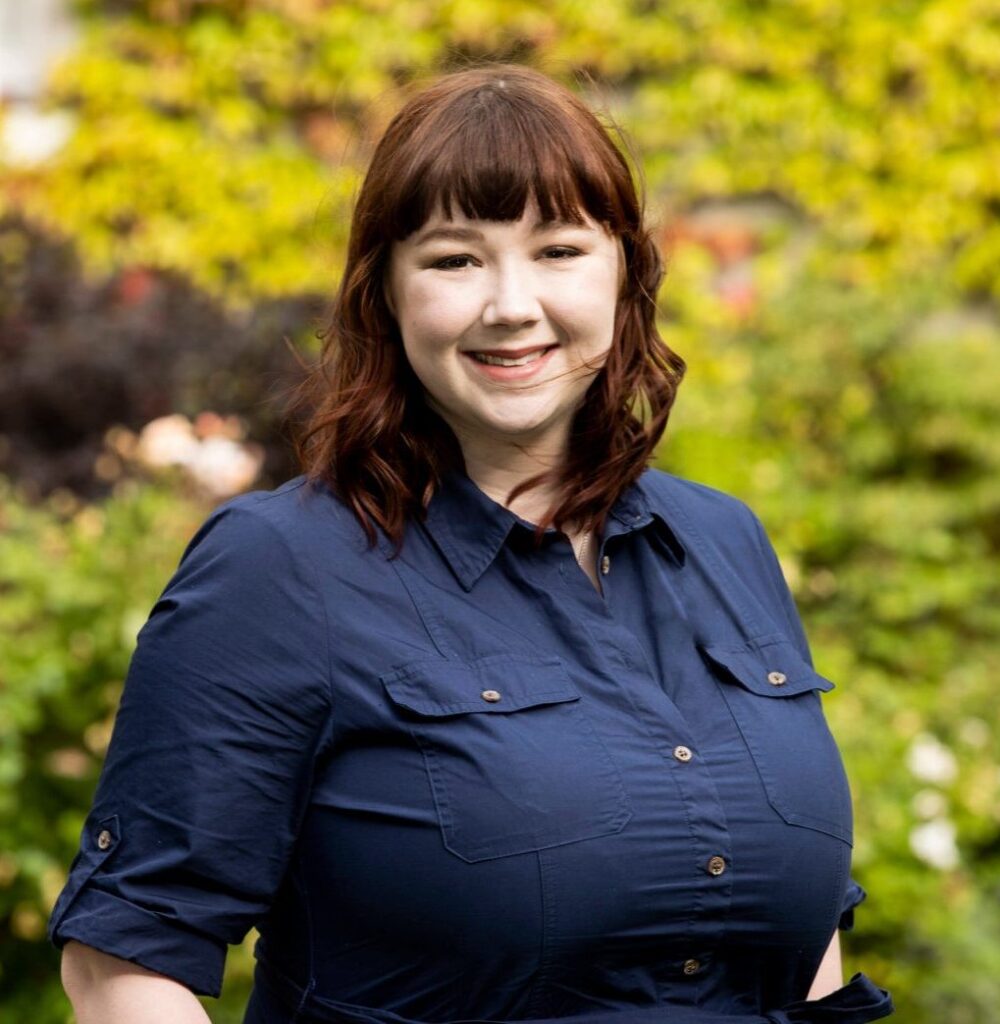
This blog is by Sinéad Keating as part of a series for World Bipolar Day.
Sinéad’s Story
I’m turning 36 this year, which means I’ve now lived with bipolar for 25 years. It’s been so long that I have very few memories from before I got sick for the first time when I was 11. It feels like a good time to be able to look at those 25 years with a clear mind. Things are much more settled. I’m well. I have a happy life with my husband and children, wonderful friends, and work I enjoy.
When Bipolar Awareness Day rolls around each year, among the questions I am asked, there’s one the always crops up. What do I want people to know about bipolar? Over the years I’ve given answers that seem to be most important to me at the time. And this year, what strikes me most as I look back, is how much I was shaped by other people’s lack of acceptance of my diagnosis. It’s not an easy illness, and it makes people uncomfortable, and so often they’ve disengaged, or blamed me, or been angry with me. This happened within my work places, my friend groups, and within my family.
The day I got my diagnosis in 2008, I came home and told my parents. One of them didn’t say anything, and the other simply said “I think you should get a second opinion”, before walking out of the room. Even now, almost 15 years later, I still remember exactly how I felt in that moment. And I have tried very hard to heal what broke in me then.
Because, even though bipolar is a horrible illness, that I truly would not wish on anyone, it’s been the lack of acceptance, the shame, blame, and the loneliness that has been far worse. It was impossible to foster resilience when those around me didn’t ‘allow’ me to be unwell. There were eye rolls when I talked about my mental health, or obvious attempts to change the subject. There was anger because I had to cancel something. Calls and texts were ignored when I was unwell; all of that chipped away at me a little bit at a time, and I’ve needed time, help and a lot of determination to heal from that far more than from the illness itself.
The upside to it is that, while nothing can cure bipolar, acceptance is always possible. And more than that; inclusion. Being well and supported means that I can give more of myself – to my children, to my husband, my friends, my job and my community. I know it’s frightening and overwhelming to know that someone you love has been given a diagnosis. But this year I would want people to know that you don’t have to fix it. You can just support it and that might make a bigger difference than you can ever know.
Learn more from Sinead’s Mental Health Journey
- Watch Sinead speak as part of the Aware Mental Health Journey Series linked here
- Read Sinead’s interview with Arlene Harris for The Independent, 25 Apr 2023 linked here
- Listen to Sinead speak with Claire Byrne, RTE 25 March 2025 linked here
~
Read more on the Aware World Bipolar Day page here.
~
Empowering people to look after their mental health is an important part of Aware’s supports including our Living Well with Bipolar Programme. A free service delivered by a mental health professional, designed to empower participants by deepening their understanding of bipolar and helping to identify personal triggers for mood changes – this programme provides a strong foundation for thriving with bipolar. Registrations for the next course and more details available here.
For those friends and family supporting a loved one experiencing bipolar or depression, Aware also offers a Family and Friends Support Programme, a psycho-educational programme providing information, understanding and practical support. The free programme aims to equip participants with the tools to better understand and support a loved one, whilst maintaining their own wellbeing. Registration and more information available here.